Gifts for Active Kids
Some children are simply built to move, and the gifts that suit them are not the ones that occupy a table. What works is anything that gives the energy somewhere to go, ideally without needing an adult to organise it first. The complication for many families is space, so it is worth separating what needs a garden from what genuinely works indoors.
Quick answer
Gifts for active kids work best when the child can start using them alone, without an adult setting anything up. Outdoors, that means gear for running, throwing, balancing or riding. Indoors and in small homes, it means things that create movement in a confined space without damaging the room or annoying the neighbours.
Key takeaways
- The best active gifts can be started by the child without help
- Skill-based items last longer than one-trick equipment
- Small homes need movement that does not need floor space
- Weather and season decide how much an outdoor gift gets used
- Two children playing together sustains an activity far longer than one
What makes an active gift stick
Two things separate the active gifts that stay in use from the ones that end up behind the shed. The first is whether the child can begin using it without an adult. Anything that requires pumping up, assembling, or supervising will be used on the first day and then wait for a convenient moment that rarely arrives.
The second is whether there is a skill to develop. A ball can be thrown better next week than it was today. A balance board can be stood on longer. Equipment with no ceiling on improvement keeps drawing the child back, while a novelty item does its one trick and is finished.
Outdoor gifts
- A ball for a sport they already have some interest in, in the correct size for their age
- A skipping rope, which is cheap, portable and has an obvious skill curve
- A flying disc or a soft boomerang for open ground
- Skates, a scooter or a bike, along with protective gear bought at the same time
- A target game such as garden bowls or a beanbag toss
- A kite, for households near open space and reliable wind
- A den-building kit or a simple tarp and rope, which turns a garden into a project
| Gift type | Space required | Season |
|---|---|---|
| Skipping rope | Two square metres | All year |
| Target and throwing games | A small garden | Dry weather |
| Scooter or skates | Pavement or park | All year, dry |
| Flying disc | Open field | Dry weather |
| Kite | Large open space | Windy days |
| Water play | Any outdoor space | Summer only |
Outdoor gifts by space needed
Indoor gifts for normal-sized homes
Indoors, the limits are ceiling height, breakable objects, and floor noise. That rules out most running and jumping, but leaves plenty. Movement that happens on the spot, or that involves throwing and catching over short distances, works in almost any living room.
- A balance board or wobble cushion, which is used standing still and takes weeks to master
- Juggling balls, which are quiet, take up almost no space and have an endless skill ceiling
- An indoor climbing or hanging bar fitted to a doorway, if the frame allows it
- A soft indoor ball set designed not to break things
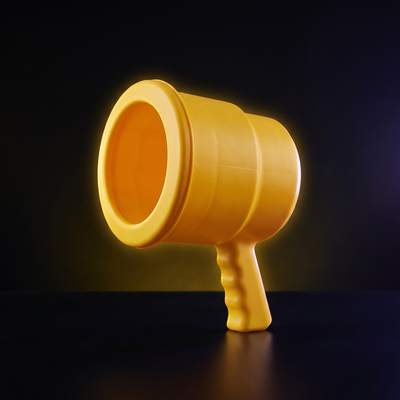
- An air vortex blaster such as the AirZooka, which shoots a ring of moving air about fifteen to twenty feet indoors; it needs no ammunition and no batteries and costs around thirty dollars, and it makes a target game out of a hallway
- A set of stepping stones or floor markers for making up movement courses
- A dance or movement game if you already own something that plays it
When the home is genuinely small
In a flat, the real constraints are floor noise and the absence of a spare metre. The answer is upper-body and balance activities rather than anything involving running or jumping. Throwing at a soft target, standing balance work, and anything done on the spot all give a child the same physical outlet without disturbing anyone below.
Matching to temperament
| The child | What suits them | What to skip |
|---|---|---|
| Constant motion, short focus | Simple gear they can grab and use | Anything with setup |
| Competitive | Scoring and target games | Solo open-ended play |
| Careful and precise | Balance, juggling, skill work | Chaotic group games |
| Prefers company | Two-player equipment | Solo-only items |
| Outdoors in all weather | Durable gear that lives outside | Anything that must be dried off |
Different kinds of active child
Buying the boring part too
If the gift needs a helmet, pads, a pump, a storage bag or batteries, include them. A large proportion of active gifts stall in the first week because a small missing piece turns using them into an errand. Buying the accessory at the same time is the difference between a gift that starts on the day and one that starts eventually.
The best active gift is the one a child can pick up and start using while the adults are still clearing the wrapping paper.